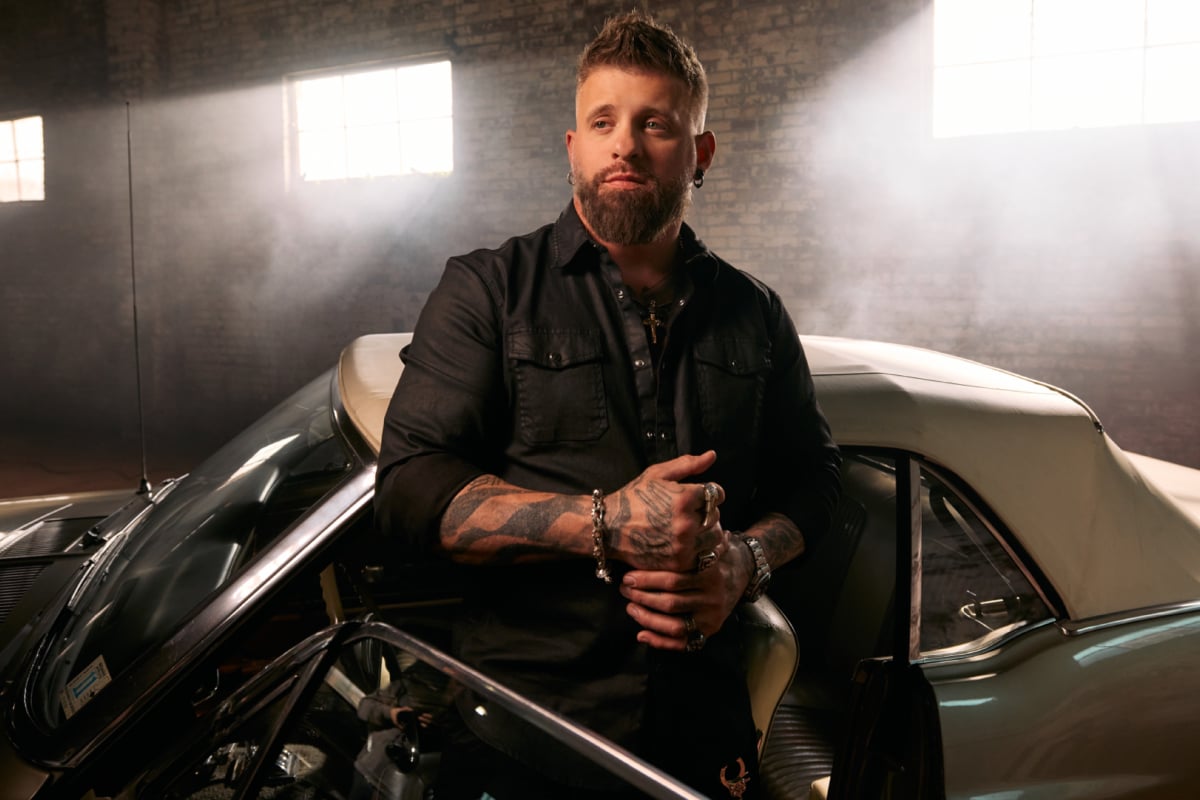
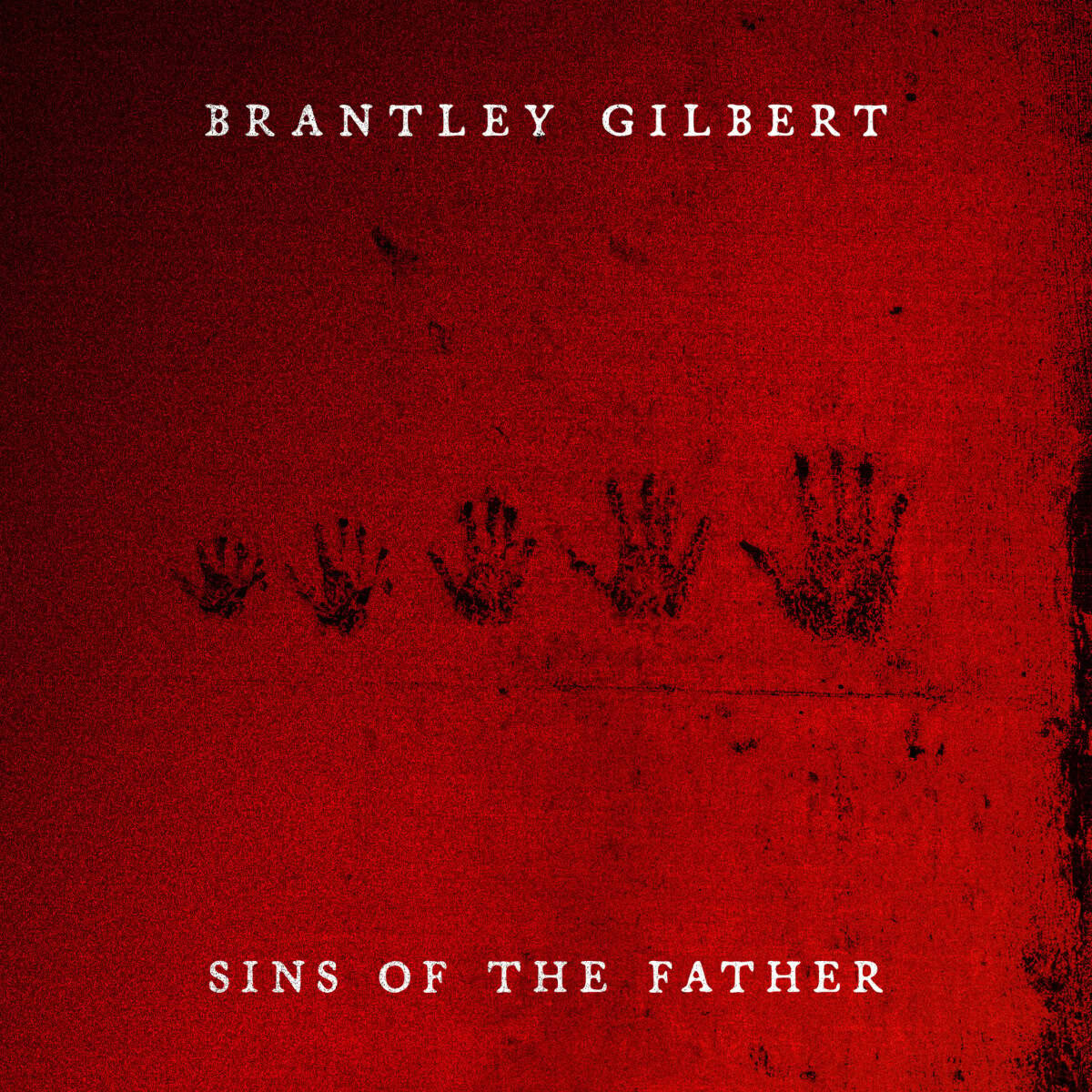
Brantley Gilbert recently released his eighth studio album, SINS OF THE FATHER, a deeply personal project that finds him looking back on the seasons that shaped his life. After more than two decades of turning those moments into music, the country artist is using his latest album to reflect on his past, own his mistakes, and celebrate the people who helped him find his way forward.
Released on July 24 via BBR Music Group/BMG Nashville, SINS OF THE FATHER marks the Georgia native’s first full-length project with his new label. A 15-track offering, the album finds Gilbert leaning into the rock-infused sound that has been part of his musical identity for more than 20 years while also embracing a renewed creative freedom as a co-writer on every track and co-producer of the project.
Produced alongside longtime friend and collaborator Brock Berryhill, SINS OF THE FATHER follows Gilbert’s 2024 album, Tattoos, and is what Gilbert describes as his “boldest, most revelatory” album yet, a description that makes sense when listening to songs such as “The Addiction” and “F****d Me Up,” both of which put his relationships, recovery and personal history front and center.
For Gilbert, that honesty came from stripping away expectations and returning to the instincts that shaped his earliest work. “All my albums are chapters of my life. This is no different. This was more about stylistically going back to the old stuff,” Gilbert explained in an interview with Music Mayhem.
Gilbert wanted to revisit the spirit of his first two records — 2009’s A Modern Day Prodigal Son, and 2010’s Halfway to Heaven — a time when he was still figuring out what kind of artist he wanted to be.
“Circling back to my first two records, you know, how many times do you fall in love with an album or with a band or an artist for their first two albums, and then they kind of stray from that and they lose you,” Gilbert noted of the evolution of other artists.
For him, part of the magic of those early records came from having fewer rules.
“One, we have our whole life experiences to write our first two albums. And two, we don’t know the rules,” he explained. “So like, we just kind of took all the rules out of the radio room, all the rules out of the studio… and really went back to what sounded good and felt good. We had a lot of fun doing it.”

That sense of freedom also came at a significant moment in Gilbert’s personal life. After spending roughly 15 years with the same label, moving to BBR Music Group/BMG Nashville allowed him to approach his music with a different level of creative control. But professionally, that was only part of the transformation.
Personally, Gilbert’s life has changed dramatically from the years when addiction and instability threatened to derail his future. He has remained an open book about his sobriety and about the role his wife, Amber Cochran, played in his journey.
The two first met in high school and had an on-again, off-again relationship before eventually spending years apart. Their story became one of the defining relationships of Gilbert’s life and, ultimately, one of the inspirations behind some of his most vulnerable songs.
“Amber coming back in the picture was definitely a big one of those,” Gilbert said when reflecting on the moments that changed the trajectory of his life. “14 years ago, you know, I kinda started doing things a little differently, got some things out of my life.”

Gilbert and Cochran tied the knot in 2015. The couple shares three children: sons Barrett Hardy-Clay and Abram Howell, and daughter Braylen Hendrix. Experiencing fatherhood has given the artist a constant reminder that there is always more to learn.
“I’m in a, a learning season of life, right?” he said.“Like, you get to the point where you think you know things and then, as you know, if you’ve got little ones, I’ve got an eight, six, and one-year-old to remind me daily that I don’t know sh-t. There’s things that happen daily that push me in other directions.”
Those experiences are particularly evident on “The Addiction,” one of the album’s most personal songs. The track turns the idea of addiction on its head, reflecting on Gilbert’s past while describing his wife, children, career, and new life as the things that now fill the space addiction once occupied.
“It was one of two songs on the record that actually choked me up a little bit,” Gilbert said of the song. “I’m not much of a cryer. Uh, never really have been, but you know, obviously my kids have the keys to that side of me, and my wife does as well…. having them, their love on a daily basis is my new addiction.”

Gilbert’s relationship with Cochran receives another deeply personal treatment on “F****d Me Up,” a piano-driven ballad that reflects on the heartbreak of their early breakup and the changes that followed.
“We dated, you know, on and off after high school for a few years, and then we went six, seven years without seeing or speaking,” Gilbert recalled. “That song’s written about the last time I saw her before that six or seven year break. And we went our different ways. When she came back in the picture, I was living in a different direction, doing some things differently.”

But Cochran’s return forced Gilbert to look more closely at the person he had become.
“It was like she was a little more than the one that got away,” he said before pointing to the message behind “F****d Me Up.” “We all have breakups, but, you know, when you have those, the few of them that don’t just hurt, they kinda just demolish you. They F you up enough. So that kinda made me look introspectively at what I was doing, how I was living, and who I was.”
“I think eventually kinda surrendering to the fact that things needed to change and I needed to do things differently was largely because of her coming back in the picture,” he added. “….She held the key to that side of me, I guess. There’s few and far between certain times in life this happens, but she was the one that got away. I actually got to marry the one that got away, that’s it in a nutshell. But it’s, word for word, a true story. That’s exactly how it went.”
That history is also why fatherhood and legacy loom so large over Sins of the Father. Gilbert has built much of his music around acknowledging the mistakes, lessons and painful experiences that shaped him. And, what he hopes his children inherit from him isn’t necessarily a career in music. It’s a sense of who he was as a man.
“More than anything, I want my kids to know that I loved them, that I was present, and that I always did my best to do right by them,” he said. “I hope they see somebody who worked hard, kept his word, owned his mistakes, and treated people right. If they can look back one day and say that about me, I’ll feel like I did something right.”
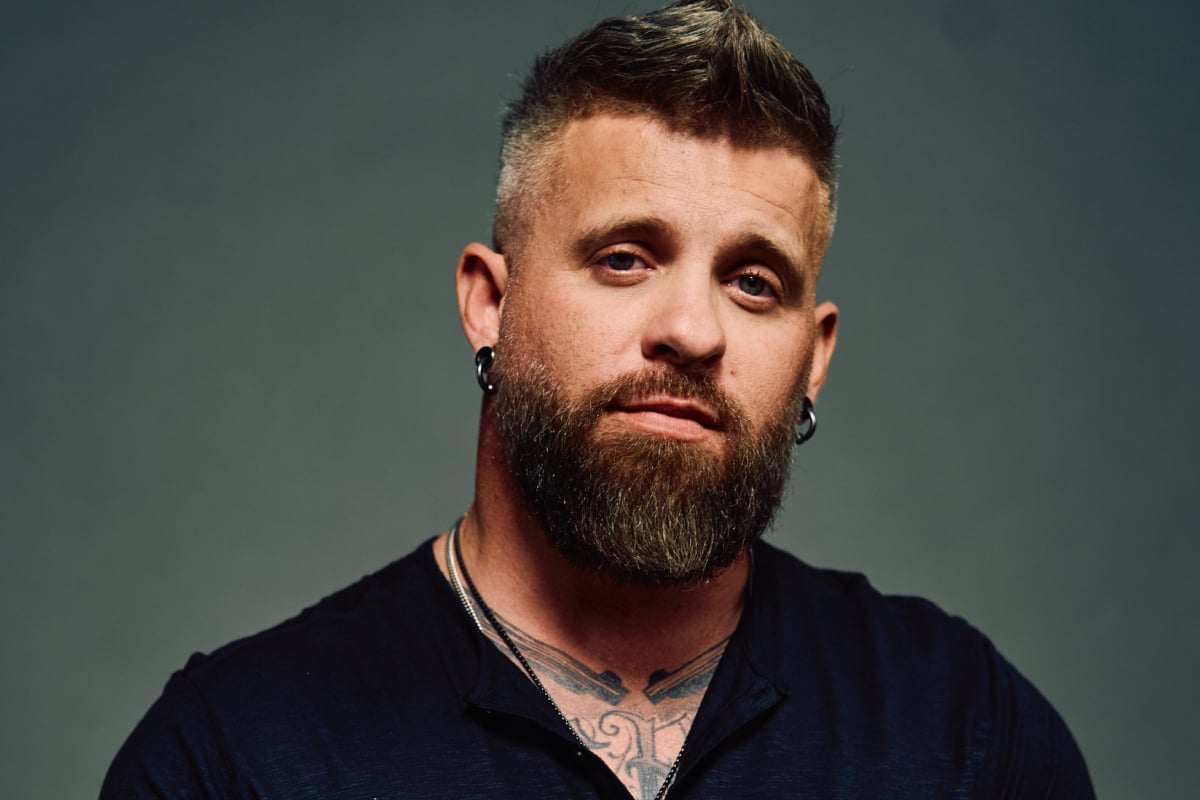
Sobriety remains another central part of Gilbert’s legacy.
“Getting sober gave me the opportunity to become the husband, father, friend and person I am now, and I’m grateful every day that I made that decision,” he said. “It didn’t fix everything overnight, but it gave me the chance to redirect my life and get on a path that has served me and my family well ever since.”
Now, Gilbert hopes his openness can help someone else who may be struggling.
“I’ve always said that addiction is the one thing in this world that doesn’t care who you are, where you come from or how much money you have,” he said. “Nobody wakes up one day and says, “I’m gonna be an addict,” but there’s still a lot of stigma around it, and it’s easy for somebody who’s struggling to take that on themselves. If that’s you, give yourself the same grace you’d give somebody else who’s going through it. There’s no shame in asking for help.”
Gilbert is carrying that same desire to tell other people’s stories into his upcoming film Dirty Money, which he narrated and produced. The project examines challenges facing farmers across the country — a subject that hits close to home for the Georgia native.
“I grew up and still live in a small farming town in Georgia, so I’ve seen locally some of the problems that farmers are facing,” he said. “When this project came to the table, it gave us the chance to see what problems the rest of the country are dealing with, and it was a great opportunity to hand the mic to the farmers who keep us fed to share their stories.”

Ultimately, SINS OF THE FATHER is a reflection on where Gilbert has been, where he is now, and the person he hopes to continue becoming.
“SINS OF THE FATHER came out of a lot of reflection,” he said. “I think the album itself really explores my whole life, sort of looking back on where I’ve been and where I am now. So, I guess this chapter is about taking what I’ve learned, owning the things I haven’t gotten right, and trying to be a better man, husband, and dad every day.”